







Search Results for: Island-type Coffee
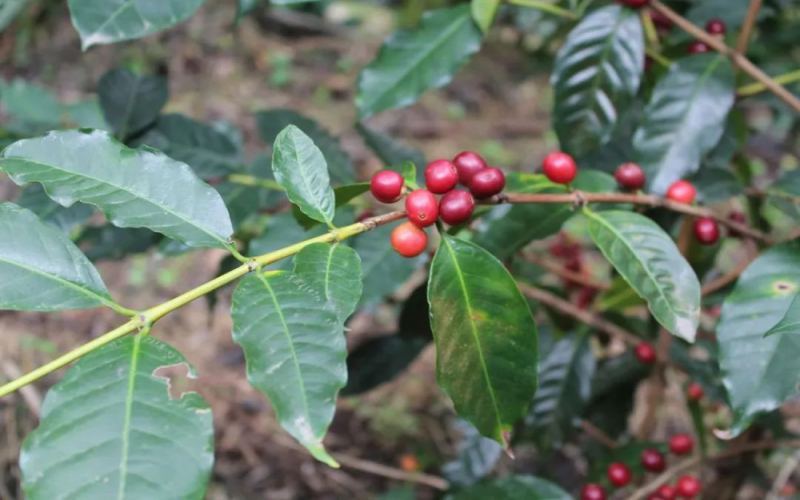
Both Are Typica-Growing Countries: An Analysis of the Differences Between Jamaican Blue Mountain Coffee and Papua New Guinea Coffee
Typica is a variety of paramount genetic importance among Arabicas, known for its outstanding quality, yet it suffers from low yields and weak disease resistance. Jamaica and Papua New Guinea are both Typica-growing countries, and their coffees are often compared; Papua New Guinea coffee is even nicknamed "Little Blue Mountain." This article examines the similarities and differences between Jamaican Blue Mountain coffee and Papua New Guinea coffee from the perspectives of varietal history, island-type growing region environments, grading standards, and flavor profiles, and introduces the flavor characteristics of related products on Front Street Coffee's bean list, helping coffee enthusiasts gain a clearer understanding of the coffee characteristics of these two origins. [more…]
A Complete Guide to Cuban Coffee: Crystal Mountain Grading, Typica Variety, Washed Processing, and Flavor Characteristics
Cuban coffee is well known among many enthusiasts for the name "Crystal Mountain," but Crystal Mountain is not a producing region—it is a grade within the official grading system of Cuba's coffee association. Cuba's coffee industry experienced its glory in the 18th century, its decline in the 20th century, and today, sustained by the Japanese market, it continues to carry a unique charm. From the perspective of Front Street, this article systematically sorts out Cuba's coffee-producing regions, the characteristics of the Typica variety, the washed processing method, the nine-tier grading system, and its island-style flavor—delicate and clean, with balanced acidity and sweetness and a faint smoky note—to give you a comprehensive understanding of the past and present of this Caribbean coffee-producing country. [more…]
Papua New Guinea Bird of Paradise Coffee: The "Little Blue Mountain" Flavor of the Typica Variety and a Brewing Guide
Papua New Guinea is hailed as a "Little Blue Mountain" producing region; its Typica variety originates from Jamaican Blue Mountain, and combined with an island-type highland growing environment, it displays a unique flavor balancing bright acidity with floral and fruity aromas. Starting from Front Street Coffee's sourcing practice, this article systematically reviews the country's producing regions, cultivation models, historical development, and grading system, with a focus on the terroir characteristics of Sigri Bird of Paradise Estate and Kimel Estate, and includes Front Street's roasting curves, cupping comparisons, and three-pour hand-brewing parameters. If you want to understand this island coffee that carries Blue Mountain lineage yet shows more pronounced fruity acidity, this article provides a complete knowledge framework and practical reference. [more…]
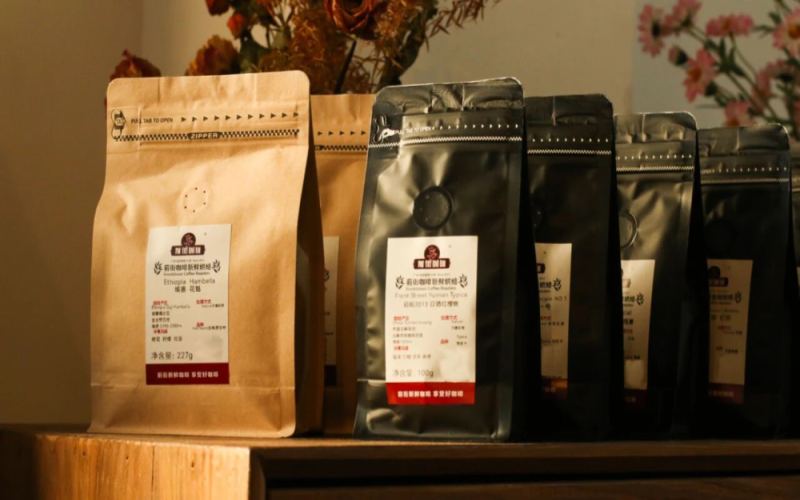
Coffee Beginner's Buying Guide: Flavor Differences Across the World's Three Major Producing Regions and Front Street Coffee Bean Recommendations
Faced with a dazzling array of coffee beans, beginners often don't know where to start. This article begins with regional flavors to help you quickly pinpoint the one that suits you. African beans are known for their bright floral and fruity acidity, Asian beans are full-bodied with low acidity and herbal spice notes, while American beans are balanced and gentle with prominent cocoa notes. The article explains the characteristics of origins such as Ethiopia, Kenya, Panama, Colombia, Costa Rica, Brazil, Honduras, Indonesia, Jamaica, Hawaii, and Papua New Guinea one by one, and includes specific bean recommendations from the Front Street brand, so that choosing coffee is no longer confusing. [more…]

A Complete Analysis of Papua New Guinea Coffee Flavors: Are Bird of Paradise Estate Beans Considered Dark Roast?
Papua New Guinea has frequently appeared in coffee enthusiasts' field of vision in recent years. This land with volcanic soil and an island climate nurtures coffee beans with a distinctive flavor. The Front Street Papua New Guinea Bird of Paradise coffee beans launched by Front Street Coffee come from the Bird of Paradise Estate in the Waghi Valley, and with the Typica variety, AA grade, and a three-time washed fermentation process, they present layers of toasted bread sweetness, nutty notes, and bright fruit acidity. This article will comprehensively break down the flavor code of these beans, from the producing region's environment, cultivation history, and processing methods to brewing parameters, and answer a common question: is Bird of Paradise actually a dark roast coffee? The answer will be revealed in the roast level and brewing suggestions. [more…]
Analysis of Papua New Guinea Coffee Flavors: Bird of Paradise Estate Typica and Medium-Dark Roast Recommendations
Papua New Guinea has gradually gained attention in the specialty coffee scene in recent years. Its island-type growing environment and the Typica variety introduced from Jamaica Blue Mountain have led the coffee here to often be called "Little Blue Mountain." The Front Street Papua New Guinea Bird of Paradise coffee beans launched by Front Street Coffee come from the Bird of Paradise Estate in the Waghi Valley, and through washed processing and a three-stage fermentation process, they present layers of toasted bread sweetness, nutty notes, and subtle fruity acidity. This article will comprehensively sort out the flavor characteristics of Papua New Guinea coffee, from the terroir of the producing region, the origin of the variety, processing methods, and the grading system to roasting and brewing parameters, and will share the Kono dripper extraction method recommended by Front Street Coffee baristas, helping coffee enthusiasts gain a more complete understanding of the unique charm of this producing region. [more…]
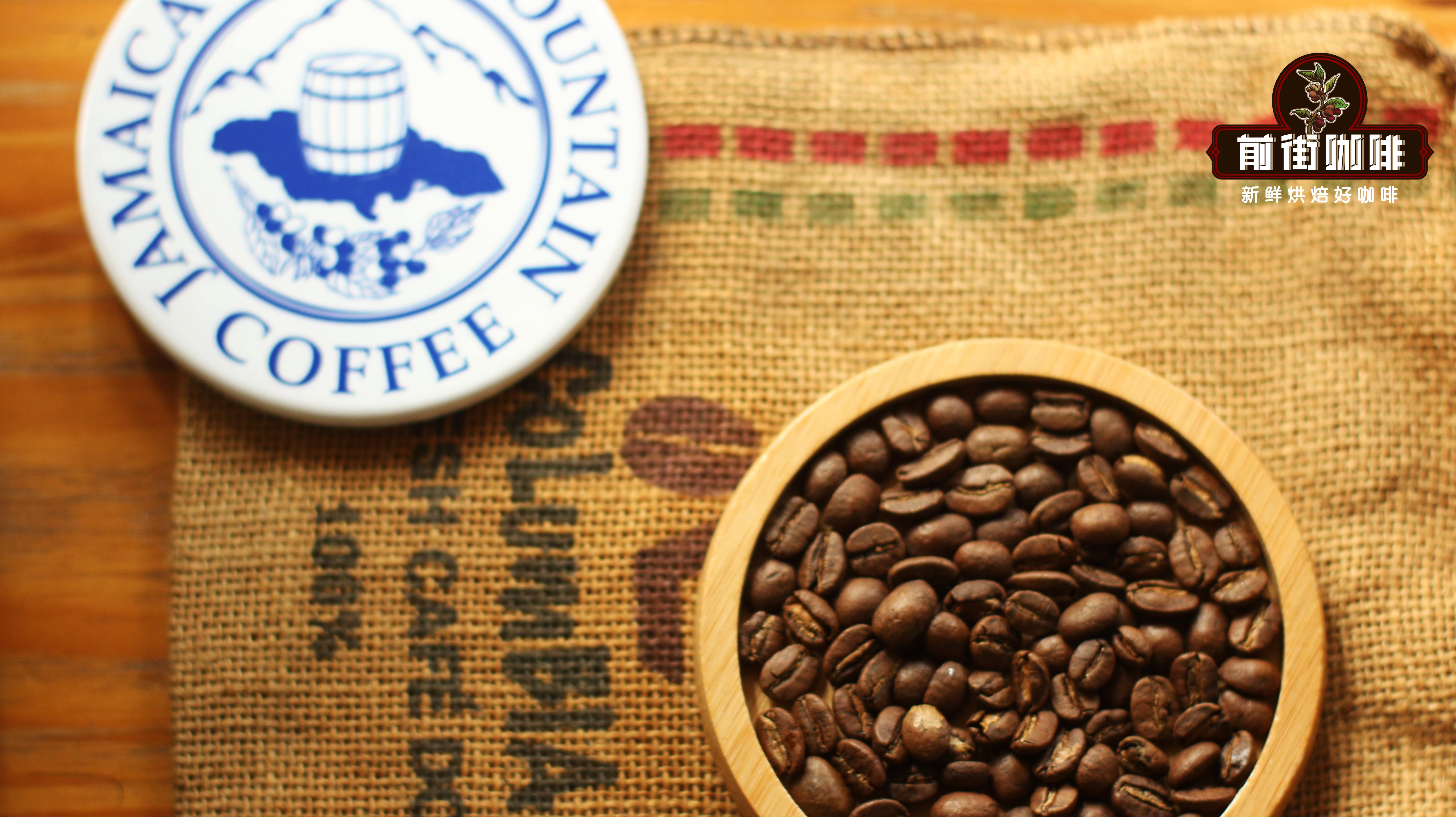
Papua New Guinea Bird of Paradise Coffee Beans: A Complete Analysis of Typica Variety Origin, Washed Processing, and Brewing Flavor
Many people have heard of Blue Mountain coffee, but few are familiar with "Little Blue Mountain coffee." It is not Jamaican Blue Mountain, but rather coffee from Papua New Guinea. The country introduced Typica from Jamaica and shares a similar island climate and high-altitude environment, hence the name. This article provides a complete overview of the flavor code of Papua New Guinean coffee—from variety history, producing regions and estates, washed processing, and grading systems to roasting and brewing recommendations—and uses the Paradise Bird Estate coffee beans sourced by Front Street as an example to present its bright, clean cupping profile and pour-over performance. [more…]
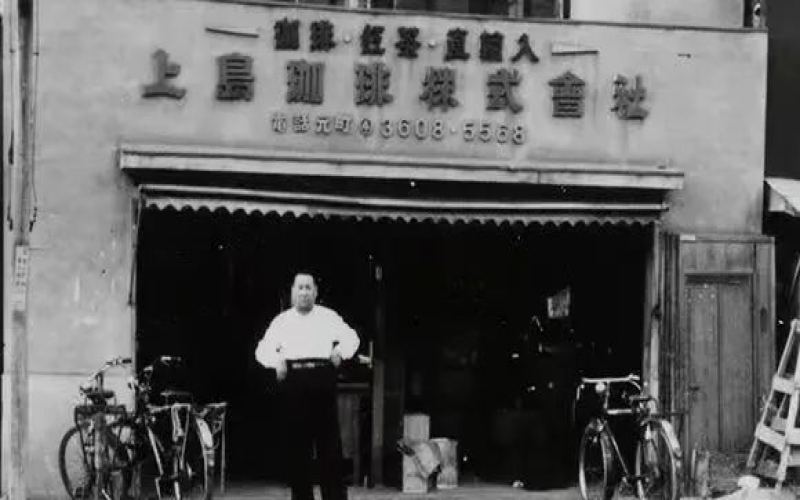
Blue Mountain Coffee Characteristics | Where is Blue Mountain Coffee produced? What does Blue Mountain Coffee taste like? Why are Blue Mountain coffee beans so expensive? How can you tell authentic Blue Mountain?
Because Front Street is one of the few coffee shops that sells Blue Mountain coffee offline, quite a few coffee enthusiasts make a special trip to check it out and taste what was once the "top star" of the coffee world—Blue Mountain coffee. Yes, it's the Blue Mountain name they come for... and then, amusingly, when these enthusiast friends actually taste it, [more…]
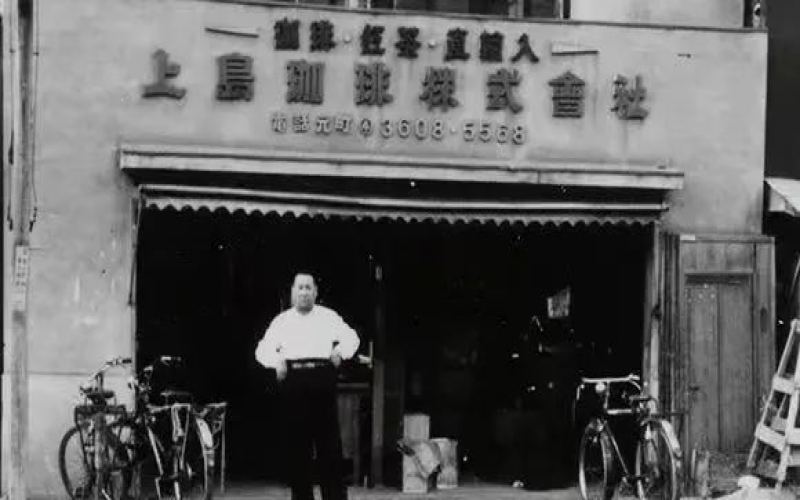
Jamaican Blue Mountain Coffee | What Makes Blue Mountain Coffee So Good? What Is the Connection Between Blue Mountain Coffee and Japan? What Flavors Does Washed Blue Mountain Coffee Showcase When Brewed as Pour-Over?
Because Front Street is one of the few coffee shops that sells Blue Mountain coffee offline, quite a few coffee lovers make a point of coming to visit and check in, hoping to savor the taste of Blue Mountain coffee—once the "top star" of the coffee world. Yes, it's Blue Mountain's fame they've come for... and interestingly, when these coffee-loving friends actually taste [more…]
Island Coffee Representative Jamaican Blue Mountain: Typica Variety, Grading Standards, and Roasting & Storage Guide
Jamaica Blue Mountain is a legendary bean among island-type coffees, renowned worldwide for its smooth, delicate aroma and balanced, elegant taste, and its price has long remained among the highest of all bean varieties. This article will introduce it to you from multiple dimensions: the origins of the Typica variety and its bean shape characteristics, the grading standards of the Jamaica Coffee Industry Board (CIB), the stories of estates such as Amber and CLYDESDALE in the main Blue Mountain producing region, as well as the scientific storage methods for green beans and the appropriate roasting level. At the end of the article, we also include a recommendation for Front Street Coffee's Jamaica Blue Mountain No. 1 — 158 yuan per bag, which can brew 6 cups, about 25 yuan per cup, offering outstanding value for money. [more…]

Home Pour-Over Guide to Papua New Guinea Bird of Paradise Coffee Beans: A Complete Parameter Breakdown from Bean Selection to Extraction
Many coffee enthusiasts encounter a common puzzle when trying their hand at pour-over: even when they follow tutorials to the letter, the cup tastes wildly different every time. There are countless variables that affect pour-over flavor—so which steps truly determine success or failure? Drawing on the hands-on experience of Front Street Coffee, this article uses Papua New Guinea Bird of Paradise coffee beans as an example to systematically lay out the parameters worth paying attention to when brewing a good cup at home. It covers the bean variety's background and the producing region's characteristics, the logic behind choosing a roast level, how to adjust grind size, water temperature settings, dripper pairing, and pulse-pouring techniques, helping readers build a clear pour-over framework and reducing the frustration of brewing by luck. [more…]
Flavor Map of Asian Coffee Origins: Planting Characteristics of Yunnan, Indonesia, and Papua New Guinea, and an Analysis of Front Street Coffee's Selected Beans
Asian coffee has always stood out in the global landscape with its rich, steady style—full, rounded sweetness and relatively restrained aroma and brightness. This article focuses on three representative Asian origins—Yunnan, China; Indonesia; and Papua New Guinea—systematically reviewing each region's growing conditions, varietal characteristics, and processing methods, and introducing the corresponding selected beans from Front Street one by one. From Catimor in the dry-hot valley of Baoshan, Yunnan, to wet-hulled Mandheling from Sumatra, and further to the island flavors of Papua New Guinea, readers can use this to build a clear understanding of the overall character of Asian coffee, gaining practical guidance whether for everyday drinking or as a reference when choosing beans. [more…]
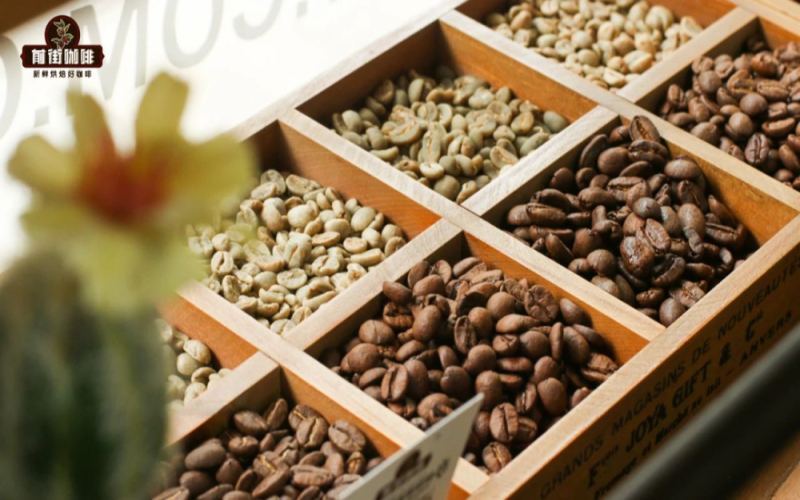
Analysis of Papua New Guinea Coffee Bean Varieties: The Origin of the Typica and "Little Blue Mountain" Title, and a Flavor Review
In recent years, Papua New Guinea coffee has earned its place among the world's specialty coffees thanks to its high-quality washed Arabica beans, and is known as the "Little Blue Mountain." Front Street Coffee delves deep into the country's coffee varieties, growing regions, and processing methods, and particularly recommends the washed Typica from Sigri Bird of Paradise Estate. This article will provide a detailed analysis of Papua New Guinea coffee's geographical advantages, cultivation conditions, and the characteristics of the Typica variety, as well as Front Street Coffee's roasting and cupping insights, taking you on a journey to appreciate this Oceania coffee's bright fruit acidity and balanced, full-bodied richness. [more…]
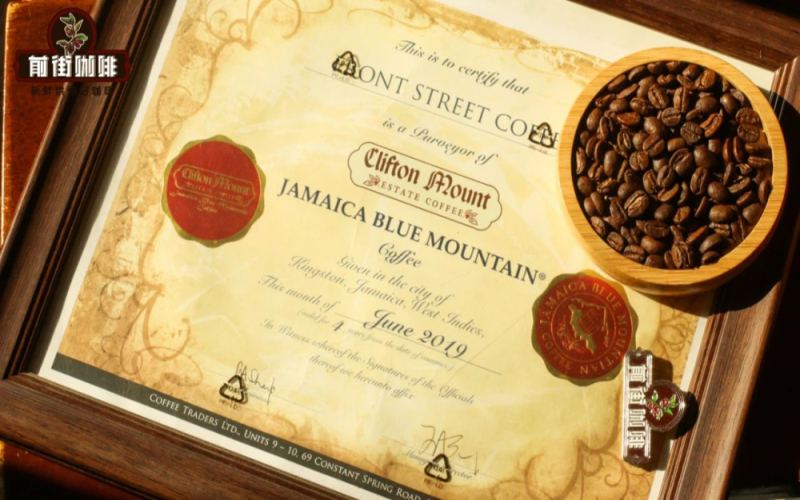
Blue Mountain Coffee Flavor Analysis: The Mystery of Acid-Bitterness Balance and a Guide to Authentic Blue Mountain No. 1 Tasting
Is Blue Mountain coffee bitter or sweet when you drink it? Why do some people find it as light as water, while others describe it as elegant as honey? Front Street believes that both perceptions are actually correct, because coffee is essentially an agricultural product—the climate varies from year to year, so the flavor naturally undergoes subtle changes. This article will take you through the variety, growing environment, processing method, and grade classification to fully understand the true taste of authentic Front Street Blue Mountain No. 1 coffee, and share Front Street's brewing suggestions so that you can brew a balanced and elegant cup of Blue Mountain coffee at home. [more…]
2025 Imported Roasted Coffee Bean Price Overview: How Much Per Catty for Front Street Coffee's New-Crop Single-Origin Beans?
The 2025 new-crop bean list from Front Street Coffee has been officially released. Every year, the bean-sourcing team tests over 300 sample lots, and in the end only about 50 make it onto the shelves—a clear sign of just how strict the selection criteria are. This article compiles the latest prices for the entire lineup of imported roasted coffee beans currently on sale this season at Front Street, covering classic representative beans from major producing regions such as Ethiopia, Kenya, Papua New Guinea, Indonesia, Jamaica, Hawaii, Panama, Costa Rica, and Colombia. From COE auction-winning beans to everyday washed Yirgacheffe, from Blue Mountain No. 1 to Hacienda La Esmeralda Geisha, each one is labeled with its origin, processing method, and flavor description, making it easy for coffee lovers to choose according to their needs. [more…]
Intro to Specialty Coffee Beans: A Guide to Precisely Identifying Authentic Blue Mountain Coffee from Appearance to Taste
Blue Mountain coffee is hailed as the crown jewel of the coffee world, and its classic, well-balanced flavor draws countless enthusiasts to it. But the market is flooded with products bearing the Blue Mountain name, making it hard to tell genuine from fake. This article systematically outlines practical methods for identifying authentic Front Street Blue Mountain coffee across five dimensions: green bean appearance, grinding feel, aroma performance, flavor balance, and the overall experience when drinking. It also shares dedicated roasting approaches and key operating points tailored to Blue Mountain beans' relatively low density and higher moisture content, helping you properly handle this precious bean variety at home as well. [more…]
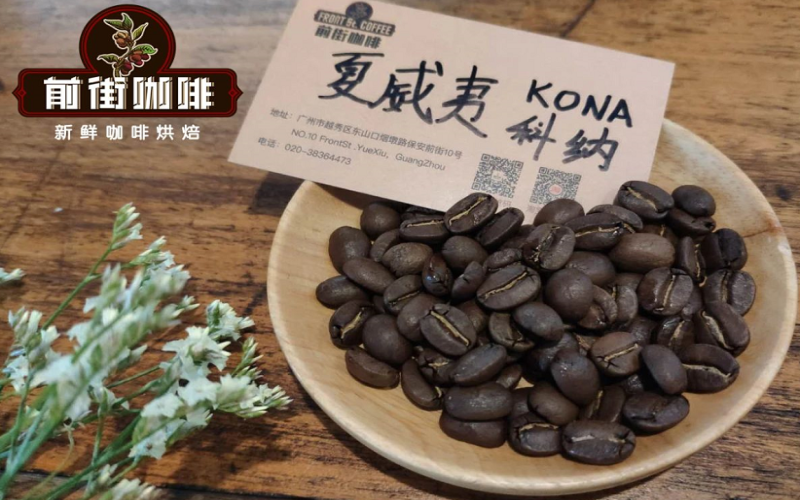
An Analysis of the History and Grade Classification of Hawaiian Kona Coffee Planting, and How Does Queen Estate Typica Taste?
Hawaiian Kona coffee has long enjoyed the reputation of being the king of island coffees, and together with Jamaican Blue Mountain it is known as the "king and queen" of the coffee world. This article will take you deep into the cultivation history of Kona coffee, the terroir conditions of its producing region, and the characteristics of its grade classifications, while focusing on the top-tier Kona coffee beans produced by Queen Estate—grown at an altitude of 1,100 meters, of the Typica variety, washed processed, and medium roasted, offering a rich fruity profile weaving together mulberry, black plum, plum, and maltose when brewed as pour-over, with a juice-like mouthfeel that leaves a deep impression. In addition, at the end of the article there is a purchasing recommendation from Front Street Coffee to help you find the Kona flavor you desire. [more…]
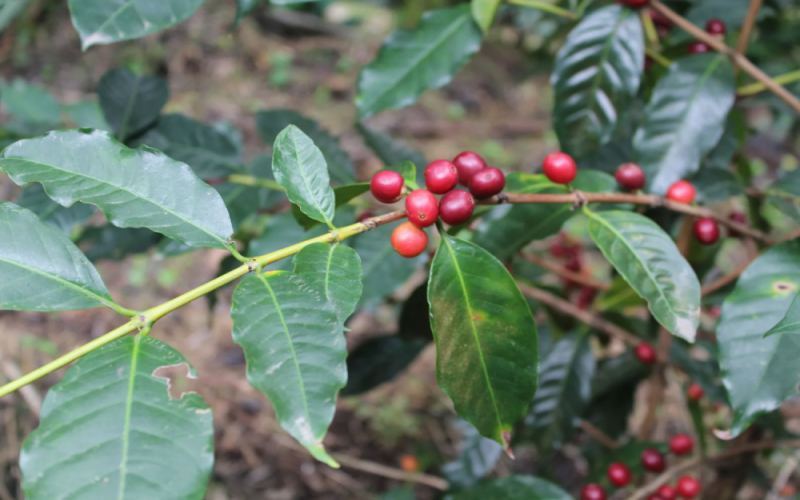
An Analysis of the Development History and Major Producing Regions of Papua New Guinea Coffee: A Full Overview of the Sigri Estate Bird of Paradise Coffee Beans
Papua New Guinea is located in the South Pacific and enjoys a typical island climate and volcanic plateau. Its mountains, at elevations between 1,200 and 2,500 meters, offer natural advantages for growing coffee. Since coffee was introduced at the end of the 19th century, the country has gone through stages including estate establishment, variety introduction, and cooperative transformation. Today, more than 90% of producers are smallholder farmers, and Arabica is overwhelmingly dominant. Five highland provinces make up the main producing regions, among which Sigri Estate in the Western Highlands Province is especially well known. Front Street Coffee has also introduced this estate’s Bird of Paradise coffee beans, which are washed and present a balanced flavor of caramel, cocoa, and almond. [more…]

How to Choose Beans for Pour-Over Coffee? Flavor Profiles of Four Major Indonesian Growing Regions Including Sumatra Aceh Gayo and Everyday Bean Recommendations
Pour-over coffee usually uses single-origin beans, but blended beans can also produce good results. Faced with a dazzling array of origins, beginners might as well start with high-value everyday beans: if you prefer low acidity and full body, choose Front Street Huila or Front Street Mandheling; if you dislike bitterness, go first for Front Street Fruit Ding Ding or Front Street Cherry Tomato. These four beans each represent a different flavor direction, and tasting them side by side makes the differences clear. This article will focus on Mandheling from Gayo, Aceh, Sumatra, Indonesia, as well as origins such as Huila, Colombia, Yirgacheffe, Ethiopia, and Cherry Tomato, Kenya, sorting out their respective flavor characteristics, origin backgrounds, and processing methods to help coffee lovers find the one suitable for pour-over. [more…]
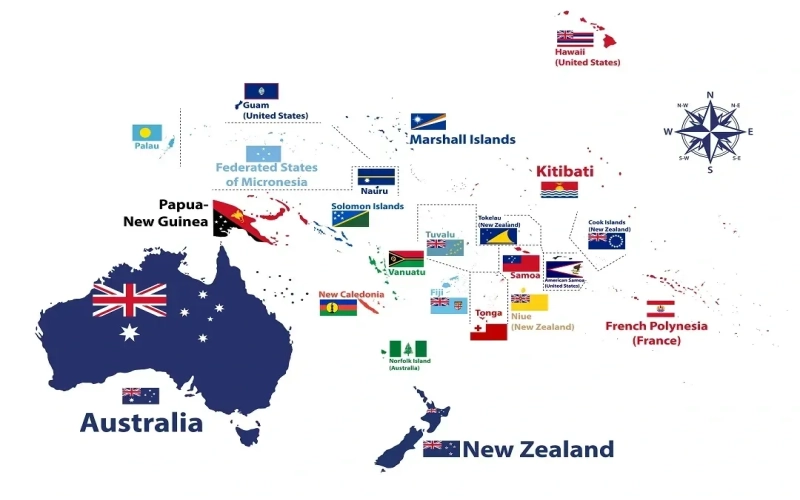
Terroir Characteristics of Papua New Guinea Coffee Regions and an Analysis of Sigri Bird of Paradise Estate
Papua New Guinea is located in Oceania, where widespread volcanic terrain, a high-altitude mountain climate, and fertile volcanic soil provide ideal conditions for coffee cultivation. Since coffee was introduced to the country in the late 19th century, it once imported Typica from Jamaica and, because of the similar environment, came to be known as "Little Blue Mountain." Today, coffee is mainly produced in the four major highland provinces of the central region, and the Sigri Bird of Paradise Estate in Western Highlands Province is a representative estate. Front Street Coffee also selects washed Typica beans from this producing region, whose flavor presents caramel, cocoa, and almond, with a rich and balanced mouthfeel, distinguishing it from the spicy and herbal tonalities of Indonesian coffee. [more…]